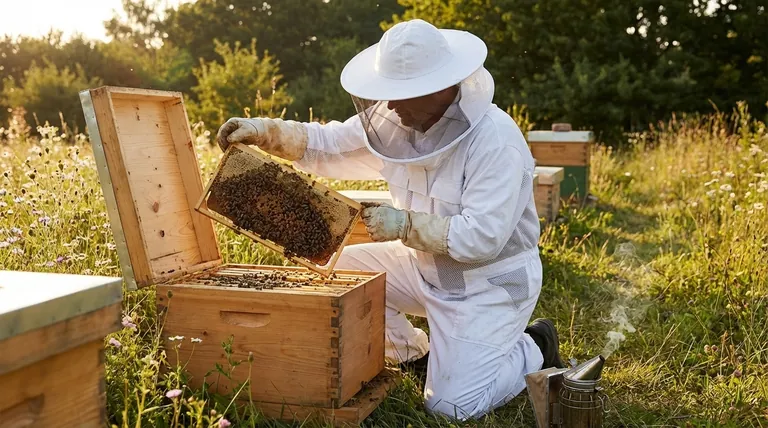
Beekeeping demands specialized protective gear that adapts to your environment, body type, and safety needs. A well-chosen suit balances durability, ventilation, and ergonomic design to keep you safe and comfortable during hive inspections. This guide breaks down material selection, advanced safety features, and fit customization—helping you invest in gear that performs under real-world conditions.
Choosing the Right Material for Your Beekeeping Environment
Cotton vs. Polyester: Durability and Breathability Compared
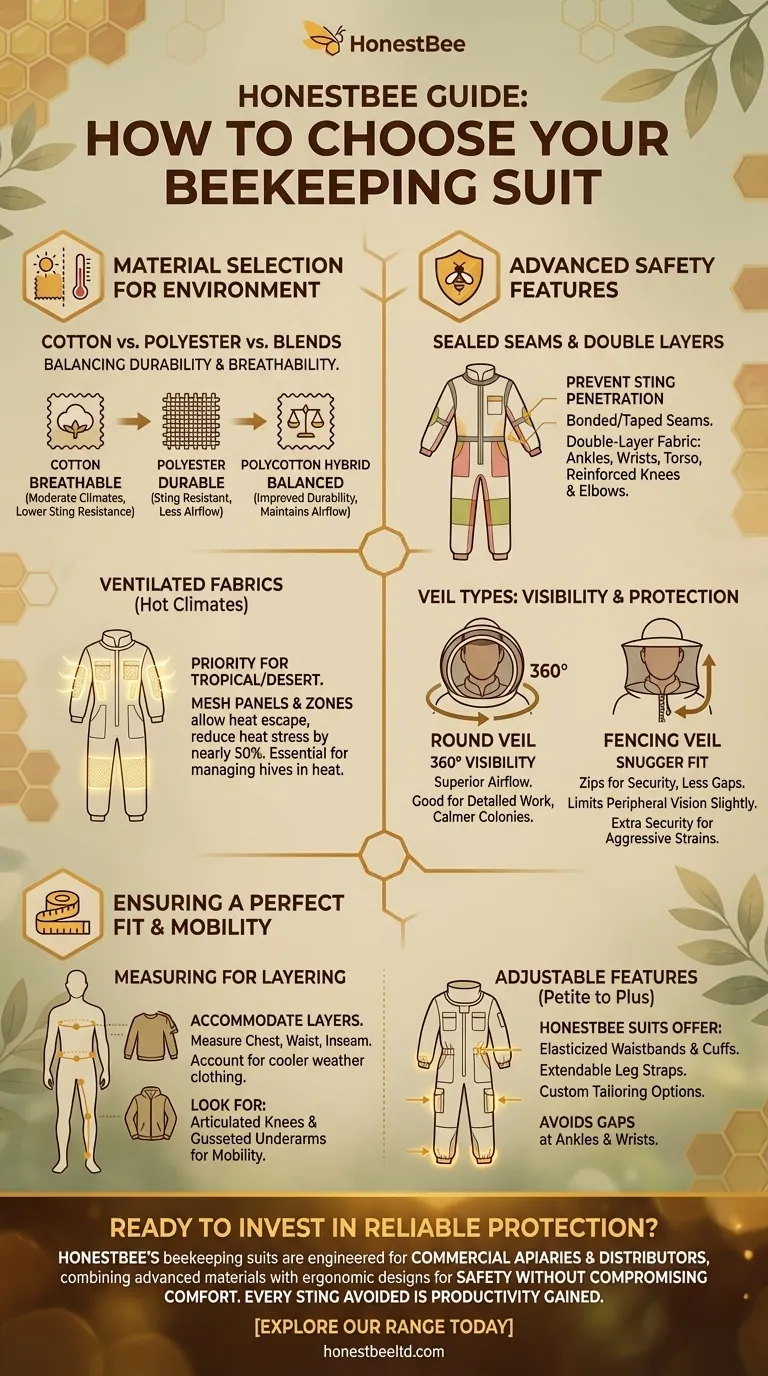
Cotton suits are favored for breathability, making them ideal for moderate climates. However, pure cotton lacks the sting resistance of synthetic blends. Polyester-cotton hybrids strike a balance, offering improved durability while maintaining airflow. For apiaries in humid regions, lightweight polycotton blends resist moisture buildup and dry faster.
The Role of Ventilated Fabrics in Hot Climates
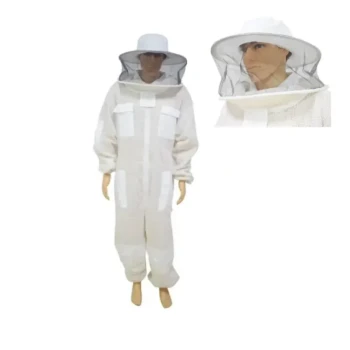
Beekeepers in tropical or desert environments should prioritize suits with mesh panels or ventilated zones. These designs allow heat to escape while maintaining sting protection. Research shows that suits with strategic airflow reduce heat stress by nearly half compared to non-ventilated options.
Specialized Safety Features Beyond Basic Adjustments
Importance of Sealed Seams and Double-Layered Fabric Zones
Stings often penetrate through weak points like seams. High-end suits feature bonded or taped seams, with double-layered fabric around high-risk areas (ankles, wrists, and torso). For commercial beekeepers handling hundreds of hives, reinforced knees and elbows add longevity.
Veil Types: Round vs. Fencing Veils for Visibility and Protection
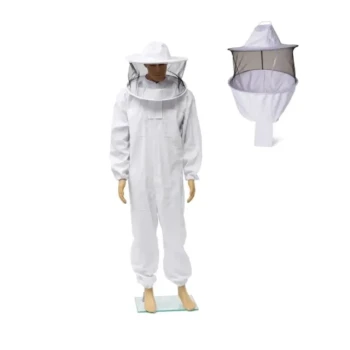
- Round veils: Offer 360° visibility and superior airflow, ideal for detailed hive work. The built-in hat adjusts to fit most head sizes.
- Fencing veils: Attach via zippers for a snugger fit, reducing gaps bees might exploit. However, their vertical front mesh can limit peripheral vision slightly.
For apiaries with aggressive bee strains, fencing veils provide extra security, while round veils suit calmer colonies or extended wear.
Ensuring a Perfect Fit for All Body Types
How to Measure for Layering and Mobility
A suit should accommodate layered clothing in cooler months without restricting movement. Measure your chest, waist, and inseam, then consult sizing charts that account for layering. Look for articulated knees and gusseted underarms to enhance mobility during repetitive tasks like lifting frames.
Adjustable Features for Petite or Plus-Size Beekeepers
Brands like HONESTBEE offer suits with:
- Elasticized waistbands and cuffs
- Extendable leg straps
- Custom tailoring options for outliers
A poorly fitted suit risks gaps at the ankles or wrists—prime entry points for agitated bees.
Ready to Invest in Reliable Protection?
HONESTBEE’s beekeeping suits are engineered for commercial apiaries and distributors, combining advanced materials with ergonomic designs. Whether you’re managing hives in scorching heat or navigating dense apiaries, our gear ensures safety without compromising comfort. [Explore our range today]—because every sting avoided is productivity gained.
Products You Might Be Looking For:
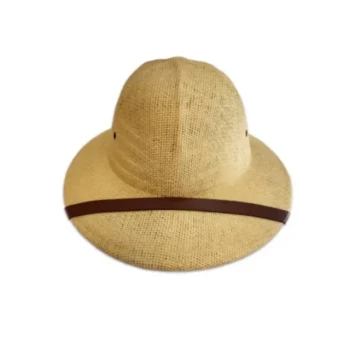
View professional beekeeping hat with veil
시각적 가이드
관련 제품
- 프리미엄 코튼 양봉복 (강화 펜싱 베일 포함)
- 상업 양봉장을 위한 라운드 베일 디자인의 전문 면 벌꿀 옷
- 사각 접이식 면 베일이 있는 전문 양봉가 슈트
- 양봉가를 위한 후드와 베일이 달린 통기성 양봉 재킷
- 양봉가를 위한 화이트 코튼 양봉 재킷과 베일