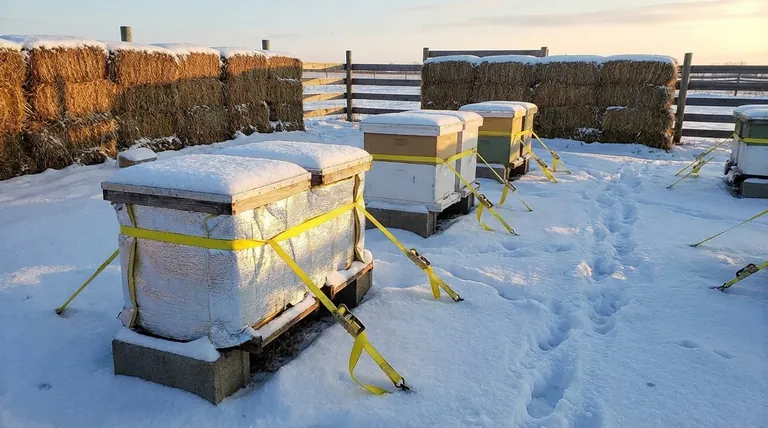
Winter transforms apiaries into battlegrounds where wind, snow, and temperature fluctuations threaten hive stability. For beekeepers, proactive winterization isn’t optional—it’s survival. This guide reveals why tie-down straps are non-negotiable for colony protection and how to integrate them with other winterization practices.
Winter Threats to Hive Stability
How Wind and Snow Compromise Hive Integrity
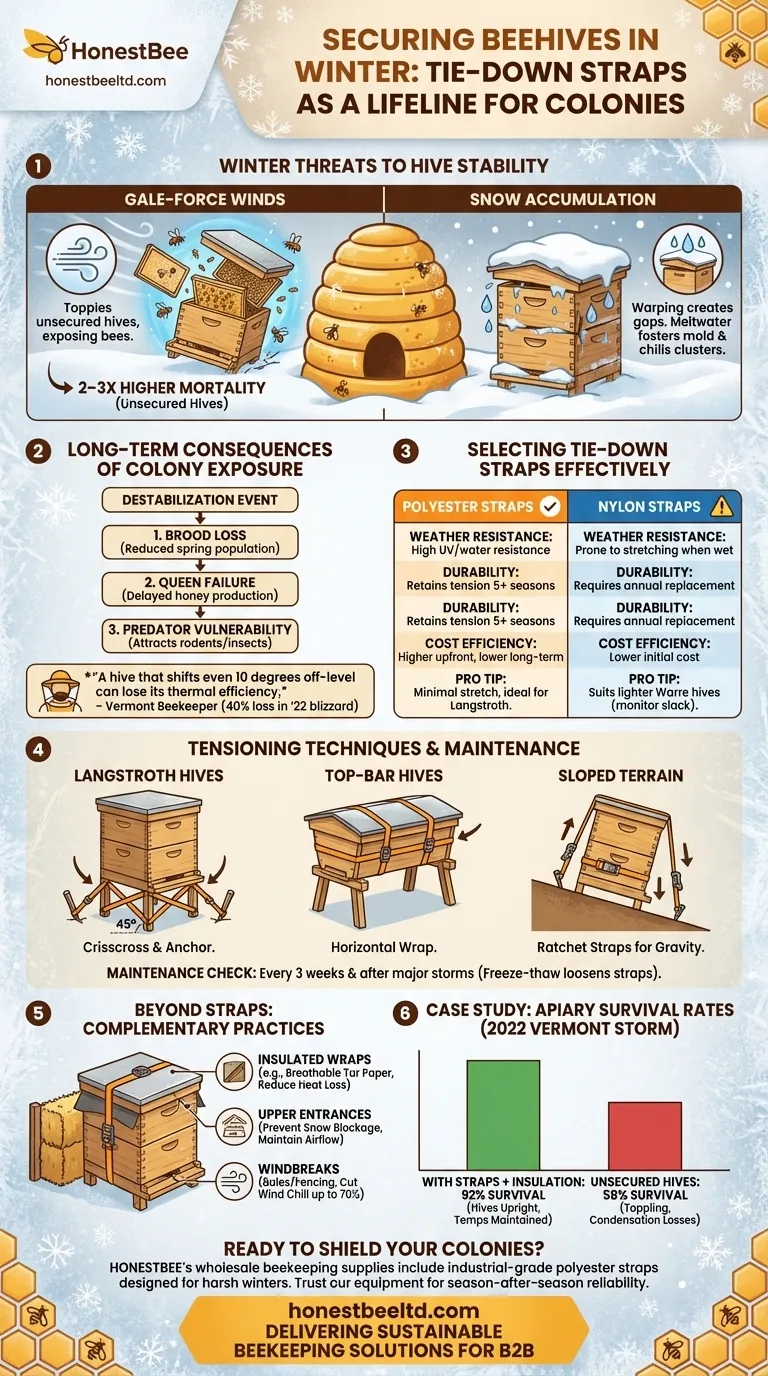
Gale-force winds can topple unsecured hives, breaking apart carefully constructed frames and exposing bees to lethal cold. Snow accumulation compounds the risk:
- Structural Stress: Heavy snow loads warp hive bodies, creating gaps that disrupt internal temperature regulation.
- Moisture Infiltration: Meltwater seeps into cracks, fostering mold and chilling clusters.
Research from northern apiaries shows colonies in unsecured hives face mortality rates 2–3 times higher than stabilized ones during winter storms.
Long-Term Consequences of Colony Exposure
A single destabilization event triggers cascading effects:
- Brood Loss: Chilled larvae reduce spring population recovery.
- Queen Failure: Stress increases supersedure risk, delaying honey production.
- Predator Vulnerability: Fallen hives attract rodents and insects.
"A hive that shifts even 10 degrees off-level can lose its thermal efficiency," notes a Vermont beekeeper who lost 40% of colonies in a 2022 blizzard before adopting straps.
Selecting and Using Tie-Down Straps Effectively
Material Comparisons: Polyester vs. Nylon Straps
| Trait | Polyester Straps | Nylon Straps |
|---|---|---|
| Weather Resistance | High UV/water resistance | Prone to stretching when wet |
| Durability | Retains tension for 5+ seasons | Requires annual replacement |
| Cost Efficiency | Higher upfront, lower long-term | Lower initial cost |
Pro Tip: Polyester’s minimal stretch makes it ideal for Langstroth hives, while nylon suits lighter Warre hives if monitored for slack.
Tensioning Techniques for Different Hive Types
- Langstroth Hives: Crisscross straps beneath the hive stand, anchoring to ground stakes at 45° angles.
- Top-Bar Hives: Wrap straps horizontally around the entire hive, securing to lateral supports.
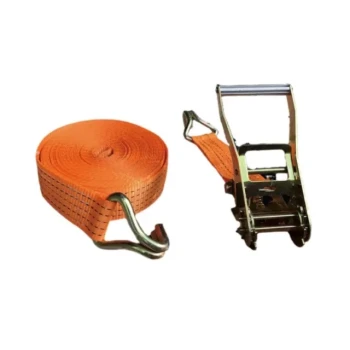
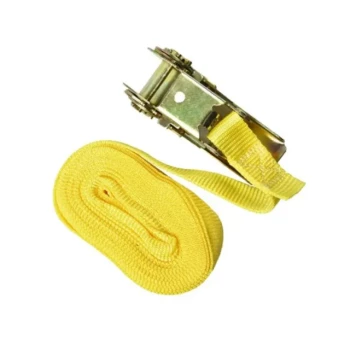
- Sloped Terrain: Use ratchet straps with tension locks to counter gravity pull.
Ever noticed how straps loosen after a freeze-thaw cycle? Check tension every 3 weeks and after major storms.
Beyond Straps: Complementary Winterization Practices
Insulation and Ventilation Synergy
Tie-downs work best when paired with:
- Insulated Wraps: Reduce heat loss without trapping moisture (e.g., breathable tar paper).
- Upper Entrances: Prevent snow blockage while maintaining airflow.
- Windbreaks: Bales or fencing cut wind chill by up to 70%.
Case Study: Apiary Survival Rates with Straps (2022 Vermont Storm)
A comparison of two commercial apiaries during the same storm revealed:
- With Straps + Insulation: 92% survival (straps kept hives upright; insulation maintained cluster temps).
- Unsecured Hives: 58% survival (most losses from toppling or internal condensation).
Ready to shield your colonies? HONESTBEE’s wholesale beekeeping supplies include industrial-grade polyester straps designed for apiaries facing harsh winters. Distributors and commercial beekeepers trust our equipment to deliver season-after-season reliability—because every secured hive is a step toward sustainable beekeeping.
Final Thought: Winterizing isn’t just about survival; it’s about giving bees the stable foundation they need to thrive come spring. When winds howl and snow piles high, will your hives hold firm?
시각적 가이드
관련 제품
- 헤비 듀티 래칫 하이브 스트랩
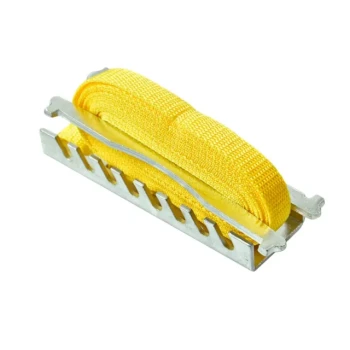
- 스테인리스 스틸 신치 버클이 달린 헤비 듀티 나일론 벌집 하이브 스트랩
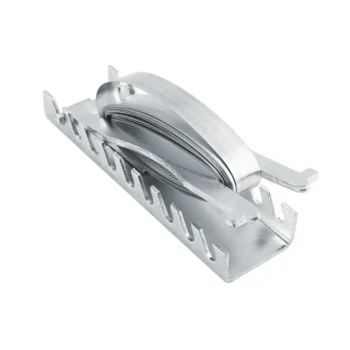
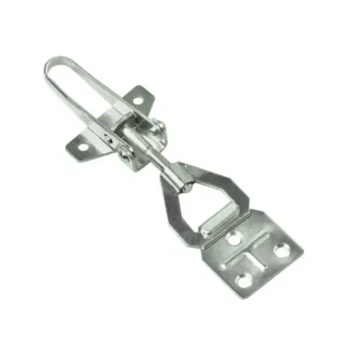
- 양봉용 안전 잠금 버클이 있는 전문가용 아연도금 벌통 스트랩
- 높은 보안성의 엠록 스트랩 시스템
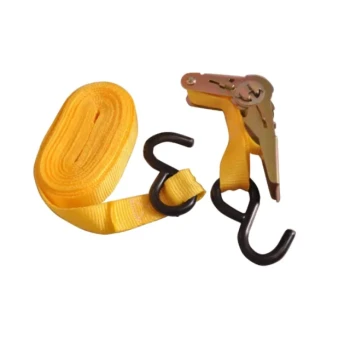
- 안전한 고정을 위한 S-후크가 있는 다용도 래칫 하이브 스트랩